Slip and fall accidents might seem like no big deal, but they're actually a serious problem in the United States. Did you know falls are the second leading cause of accidental death nationwide, causing over 47,000 deaths each year? These accidents can change lives forever and create huge financial problems for individuals, families, businesses, and our healthcare system. If you or someone you know has experienced a slip and fall, it's important to take it seriously and understand your legal rights. You might need help from a personal injury lawyer, especially if you're dealing with medical bills and time off work.
The Scope of the Problem
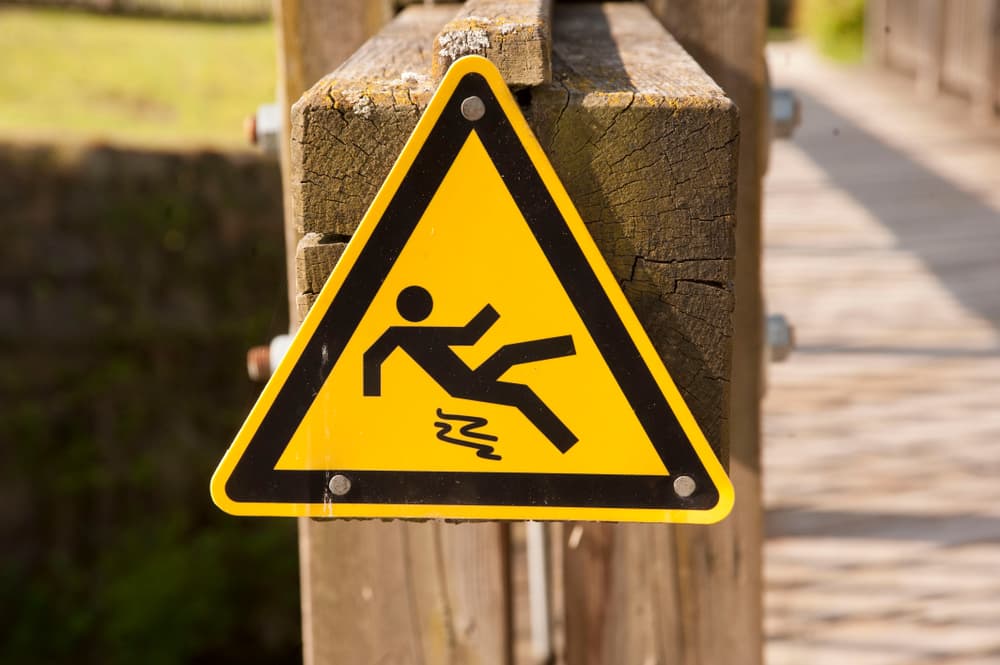
Many people don't realize how common slip and fall accidents are. According to the CDC, in 2023, falls caused 47,026 deaths with a rate of 14.0 per 100,000 people. Older adults face the highest risk falls are the main cause of injury deaths for people 65 and older.
Non-fatal falls happen even more frequently. Emergency rooms across the U.S. treat millions of patients for fall injuries every year. In workplaces alone, slips, trips, and falls make up 18% of injuries that cause workers to miss work, with construction, healthcare, and warehouse workers being most affected. Even in places we consider safe, like shopping malls or schools, these accidents can have serious consequences.
The impact goes beyond just the person who falls. Medical costs from falls reach about $50 billion each year, with Medicare and Medicaid covering much of this expense. These figures only include direct medical costs not lost wages, long-term care, or the emotional toll on families. When someone becomes disabled from a fall, the costs of making homes or public spaces accessible can reach tens of thousands of dollars, putting extra strain on already limited resources.
📎 Learn more about California accident laws
The Severity of Injuries
Many people think falls only cause minor bruises, but the reality is much more serious. Studies show that nearly 20% of falls among older adults cause serious injuries like broken bones or head trauma. Children and working adults can also suffer devastating injuries if safety measures aren't in place.
Traumatic Brain Injuries
Falls are the leading cause of traumatic brain injury (TBI) deaths in people over 65, with nearly 17,500 deaths recorded in 2017. When your head hits a hard surface during a fall, even if the fall seems minor, it can cause brain bleeding, swelling, and permanent damage. Seniors are especially vulnerable because their brains have less protective cushioning. For example, an older person who falls while reaching for something in a high cabinet might suffer a brain injury that affects their thinking and movement abilities for the rest of their life. Recovery from a TBI can take months or years, and some effects last forever.
Hip Fractures
Each year, about 300,000 Americans end up in the hospital with hip fractures, mostly from falls. For elderly patients, the outlook is serious: more than 20% die within a year after a hip fracture due to complications like infections or worsening of other health problems. Those who survive often can't live independently anymore. The pain and fear after these injuries may keep older adults from leaving home, cutting them off from friends and family support.
Delays in surgery make the risks even higher. Each hour of delay increases the chance of death, and patients who are malnourished are four times more likely to die within 30 days of a hip fracture. People in rural areas often face bigger challenges getting timely care, making an already dangerous situation worse.
Spinal Cord and Other Injuries
Falls can also damage the spinal cord, leading to paralysis and the need for long-term care. The effects can range from minor nerve problems to permanent paralysis, completely changing a person's quality of life. Many victims need extensive therapy and expensive equipment like wheelchairs, special beds, or home modifications a single fall can change an entire family's life forever. Even less severe falls can tear ligaments, cause chronic joint problems, and create limitations that affect work and daily life for years.
Who's Most at Risk?
While anyone can fall, certain groups face higher risks and need to be especially careful.
Older Adults
As mentioned earlier, older adults are particularly vulnerable one in four Americans aged 65+ falls each year. They have less muscle mass, poorer balance, take medications that can make them dizzy, and have weaker bones. Elderly women face even higher risks of fractures because of bone loss after menopause. Many families have to make unexpected decisions about assisted living or supervision after a loved one falls, showing how one accident can affect many people.
People with Chronic Health Conditions
People with conditions like Parkinson's disease, previous strokes, diabetes, or dementia fall more often due to balance and thinking problems. Research shows that having a previous head injury almost doubles the risk of falling again. These individuals might need special devices, supervision, or medication adjustments to stay safe. Regular check-ins and home evaluations by occupational therapists can help prevent repeat falls.
Children
While children are less likely to die from falls, they often get hurt on playgrounds or at home, resulting in broken bones or head injuries. Their developing coordination and proportionally larger heads make them more vulnerable. Playground injuries are among the most common reasons children visit emergency rooms, and properly designed play areas with good surfacing can significantly reduce both how often and how badly children get hurt. Close supervision and safe play environments are essential both at school and at home.
Certain Workers
Some jobs have higher slip and fall risks, including truck drivers, janitors, nursing assistants, and construction workers. Poor safety measures, hazardous environments, and time pressure increase the danger. For example, warehouse workers may face wet loading docks, unmarked steps, or obstacles in busy areas. Winter workers dealing with icy sidewalks or wet floors need good footwear and must report hazards quickly.
The True Economic Burden
Medical costs for slip and fall injuries go far beyond the initial emergency room visit. Studies show that the average cost of a hospital stay after a fall exceeds $60,000, with additional expenses for long-term care, rehabilitation, and home modifications. States like Connecticut and New York report costs over $12,000 per incident, showing how costs vary by location. These figures highlight the burden on both private insurance and public healthcare programs.
Slip and fall injuries also cause major productivity losses. Nearly 25% of workplace falls result in absences longer than a month. Family members caring for injured loved ones often have to reduce their work hours or income, adding to the financial strain. In homes where both adults work, a serious injury might cause both the victim and their caregiver to lose employment, deeply affecting family finances. For single parents, the consequences can be devastating without outside help.
Long-term costs can include wheelchair ramps, specialized medical equipment, physical therapy, and ongoing treatment for complications. Out-of-pocket expenses often continue long after initial recovery, especially for those with permanent disabilities. Government assistance programs may only cover part of these costs, leaving many people struggling with medical debt.
Workplace Accidents: Special Considerations

Workplace slip and fall incidents make up a large portion of job injuries. These accidents caused over 450,000 injuries requiring time off work and nearly 900 deaths in recent years. Construction sites are particularly dangerous one-third of all construction deaths involve falls from heights. Retail workers, warehouse employees, and kitchen staff regularly face slippery surfaces or cluttered walkways, requiring constant attention to safety.
Workplace falls are expensive. They account for about 15% of workers' compensation claims, and the total annual cost, including time off, rehabilitation, and related damages, may exceed $70 billion. The broader impact includes lost revenue for businesses, higher insurance premiums, and the need to quickly replace or retrain staff.
The most common causes include:
- Wet or oily surfaces
- Poor lighting
- Cluttered walkways
- Inadequate footwear
- Uncovered electrical cords
Certain jobs such as trucking, caregiving, janitorial work, and construction have the highest rates, mainly due to environmental hazards and the physical nature of the work. A single overlooked spill in a hallway can turn a normal workday into an emergency situation with lasting consequences.
Effective prevention measures include proper housekeeping (quickly cleaning spills, removing clutter, ensuring good lighting and signs), safety features (slip-resistant flooring, proper drainage, safety rails), and implementing safety policies supported by good training and compliance checks. Regular safety inspections, anonymous reporting systems, and good communication among staff are all recognized best practices. Employers who invest in preventive maintenance and regular safety audits generally see fewer injuries and lower costs.
Beyond the Emergency Room: Long-Term Impacts
Recovering from a serious slip and fall is often a long, difficult process. Chronic pain, reduced mobility, and psychological effects are common. Rehabilitation may involve specialized care teams, repeated hospital stays, and a cycle of hope and frustration for many patients.
Chronic Pain and Disability
Many victims experience ongoing pain (sometimes for years) after a fall. Long-term impairments often require permanent use of aids like canes or wheelchairs, occupational therapy, and regular medical care. In severe cases, chronic pain leads to dependency on pain medications, additional medical procedures, or depression later in life. A serious back or head injury can force early retirement or job loss from physically demanding work, disrupting life plans.
Mental Health
Serious falls can cause depression, anxiety, post-traumatic stress disorder (PTSD), and a persistent fear of falling again, which discourages activity and further increases the risk of physical decline a problem known as post-fall syndrome. Many people don't report these mental health effects, meaning they never receive proper psychological treatment that could help their recovery.
Compounded Risks
Research shows that a previous head injury doubles the chances of future falls, creating a dangerous cycle that puts vulnerable individuals at even greater risk. Each additional fall may require more extensive emergency and long-term care. Families affected by such repeated injuries may develop significant stress, fatigue, and financial exhaustion, highlighting the need for community and therapeutic support.
Social and Economic Implications
Fall-related injuries can end careers early and result in permanent income loss. Family structures are often disrupted as partners or children become caregivers or have to make difficult housing and financial decisions to support the injured family member. The stress on relationships is a significant but underreported consequence of these accidents. For example, a single parent with a disabling slip and fall injury might need community assistance or live-in help to care for their children and maintain their household. This extended impact shows why fall injuries can't be dismissed as merely personal setbacks.
Prevention That Works
The good news is that most slip and fall accidents can be prevented. A combination of practical safety measures, consistent attention, and personal responsibility can significantly reduce the risk. By combining organizational policies with individual awareness, communities can make spaces safer for everyone.
Environmental Modifications
Ensuring good lighting in stairwells, hallways, and outdoor areas makes hazards easier to spot. Regularly checking and maintaining flooring, removing clutter, and clearly marking wet or dangerous areas are basic steps. Installing handrails, nonslip mats, and clear signs in all high-traffic areas provides additional safety, especially for those with sensory or mobility problems. Homeowners should consider installing grab bars in bathrooms and using high-contrast tape for steps or uneven surfaces.
Personal Factors
Wearing appropriate footwear with slip-resistant soles is vital, especially in high-risk settings or winter conditions. Regular vision checks and medication reviews can identify and manage risk factors for dizziness or unsteadiness. Healthy lifestyle choices such as good nutrition and regular physical activity improve muscle strength and coordination, reducing fall risk. Organizations may encourage staff fitness programs to further promote injury prevention.
Training and Awareness
Education is essential both for workers and the general public. Training should cover how to identify hazards, safe movement practices, and prompt reporting of dangers. Effective communication is key in reducing both workplace and home fall rates. For example, schools can include safety education in health classes, while employers can hold seasonal safety meetings to reinforce best practices. Specialized safety workshops for older adults, such as those offered at community centers, have shown measurable reductions in fall injuries.
Technology-Driven Solutions
Modern technology, from motion sensors that alert to wet floors to wearable devices that monitor for sudden movements, is increasingly effective in both prevention and immediate response after a fall. In healthcare, smart flooring and AI-driven monitoring can predict and prevent dangerous movement patterns. Automated external defibrillators (AEDs) and fall-detection apps for smartphones ensure rapid response and improve outcomes following a fall.
Evidence-Based Programs
Large-scale prevention efforts, such as the Fall TIPS program in hospitals, have demonstrated both improved outcomes and cost savings. Over a five-year study period, TIPS was associated with a $22 million reduction in related treatment costs. Similarly, comprehensive fall prevention programs in nursing homes have been credited with measurable declines in serious injuries.
Legal Considerations and the Role of Representation

Slip and fall victims may have the right to compensation, particularly when the accident resulted from someone else's negligence for example, a property owner failing to address hazards or maintain safe conditions (premises liability). Premises liability law requires property owners to keep their property reasonably safe for visitors; negligence can lead to legal responsibility for resulting injuries. Employers, universities, landlords, and store managers all have specific legal obligations and standards of care, varying by location and setting.
To build a strong case, victims should gather evidence: photographs of the site, incident reports, witness statements, and medical records are critical. Legal processes can be complex establishing liability, calculating damages (medical expenses, lost wages, pain and suffering), and negotiating with insurance companies all benefit from expert legal advice. Insurance companies often try to minimize payouts, making the expertise of a personal injury attorney invaluable.
A skilled personal injury lawyer understands the details of local laws and can help ensure fair compensation for both immediate and ongoing losses. Consulting a legal professional early in the process maximizes the victim's chances of a fair outcome. Awareness campaigns and legal resources in areas with high rates of falls can support victims through challenging administrative processes.
📎Find out how much your case is worth
Taking Slips and Falls Seriously
Slip and fall accidents remain one of America's most underestimated dangers, serious not only because they happen often and cause direct harm, but also because of the long-lasting consequences that follow. Tens of thousands die each year, many more are left with disabling injuries, and total costs are enormous for both individuals and society.
Slip and fall injuries are not just bad luck. They can be prevented with the right approach, consistent vigilance, environmental controls, informed behavior, and commitment to safety. Targeted strategies in workplaces and care for vulnerable populations, especially the elderly, can save lives and prevent long-term suffering. When prevention is prioritized, communities benefit economically and socially.
If you've been affected by a fall, never dismiss it as a minor event. Seek proper medical care, document everything, and consult an attorney to understand your rights. Navigating recovery and legal proceedings requires professional help, a worth while investment given what's at stake for your health, independence, and justice.
At HIGHWAY LAW GROUP, we have helped countless clients across Los Angeles secure justice and fair compensation after serious falls caused by unsafe conditions. We know the tactics property owners and insurance companies use to avoid responsibility and we know how to fight back.
✅ Free consultations
✅ No fees unless we win
✅ Available 24/7
📞 Call now: (310) 923-4823
📍 Or visit: https://highwaylawgroup.com/contact